Our programmes
Online mentoring
Weekly one-to-one sessions with a volunteer mentor, tailored to each student — from homework to university interviews.
Teaching team
STEM subjects, taught one-to-one
Our teaching team is made up of undergraduate, postgraduate, PhD and postdoctoral researchers from UCL.
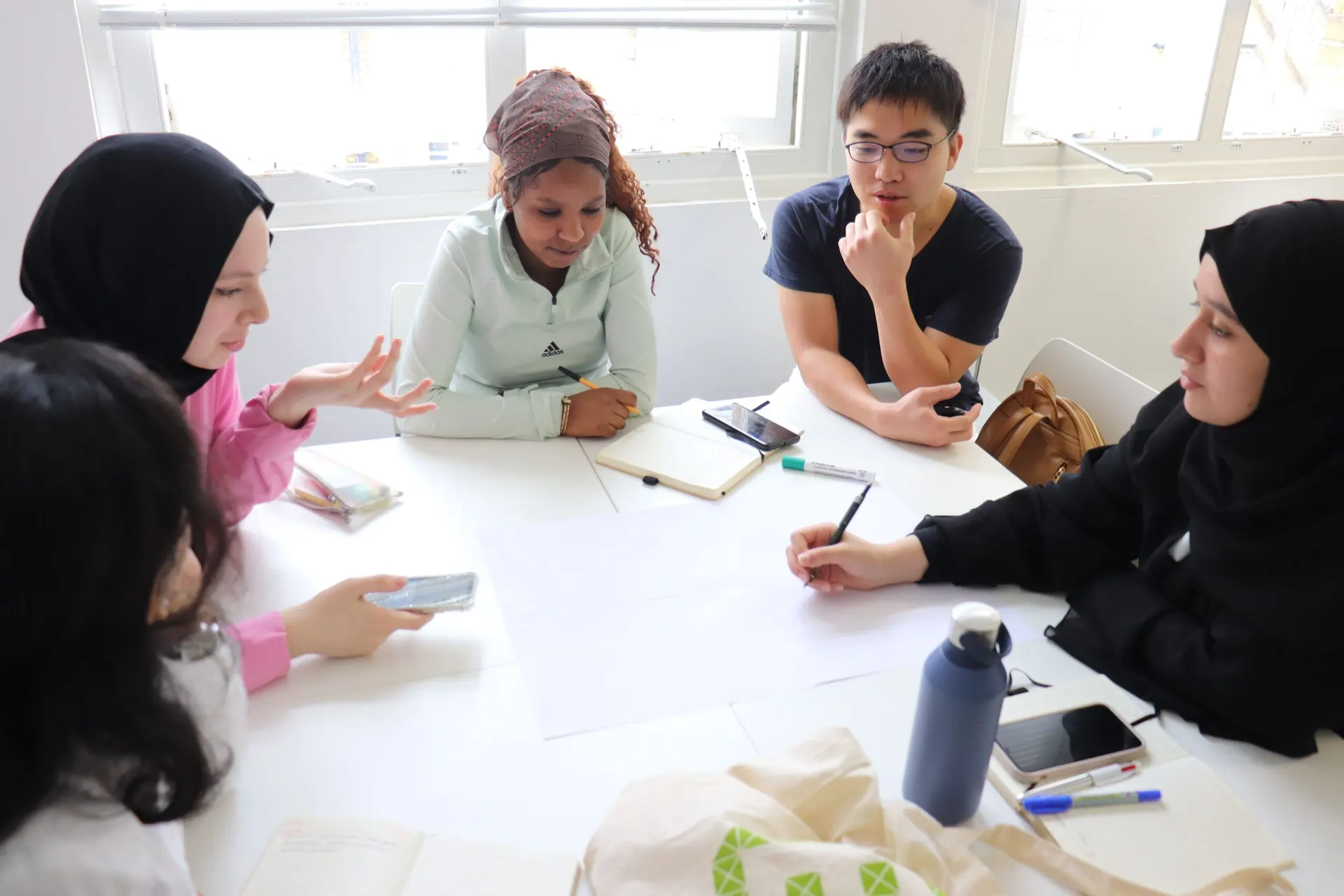
The Online Mentoring scheme is delivered by STEM, IT and English mentors in weekly 1-2-1 sessions or small group sessions. The volunteer mentors do not only help students with their homework, they also help them advance their STEM and English knowledge, tailoring each session to the student’s needs. Our volunteer mentors go the extra mile to help mentees pursue their goals, by helping them with CVs, cover letters and university applications. The scheme runs from October until March.
Interview preparation
Mock interviews for STEM degrees in higher education, including medical school admissions and Oxbridge interviews.
Online mentoring scheme
The scheme in numbers
3232+
Participants
1212+
Mentors
77+
Moderators
250250+
Mentoring hours
Subjects taught
- Biology
- Chemistry
- Mathematics
- Physics
- Computer Science
- English
Support services
More than homework help
Academic support
Continuous support and encouragement throughout the academic year, across every subject we cover.
- Weekly 1-2-1 or small group sessions
- Homework and coursework help
Internship support
Topic-specific internship support to bridge academic learning with real-world experience.
- Opportunity matching
- Industry connections
Application assistance
Comprehensive help with college and university applications.
- Personal statement and essay review
- Institution guidance
Professional development
Expert guidance on creating professional CVs and career preparation.
- CV optimisation
- Career planning
How it runs
How a mentoring year is built
- Step 01Before October
Choose a high-level goal
We start from what the student most needs to move forward — a grade, a subject gap, an application — rather than from what is easiest to timetable.
Goal agreed
- Step 02Before October
Choose a programme format
One-to-one, small group, peer or subject-specific. Most students take weekly 1-2-1 sessions; some work better in a pair.
Format set
- Step 03September–October
Invite volunteers and assign roles
Mentors, moderators and coordinators are recruited from UCL research groups and beyond, and complete safeguarding onboarding before being matched.
Team in place
- Step 04October
Match mentors and mentees
Pairs are made by hand on three things: subject, level and goal. A STEM student goes to a STEM mentor, and a GCSE student often to an undergraduate rather than a postdoc.
Pairs matched
- Step 05October–March
Run weekly sessions
A fixed slot each week: homework and coursework first, then CVs, personal statements, applications and mock interviews as the deadlines approach.
Routine established
- Step 06March onwards
Evaluate the programme
We collect feedback from students, mentors and moderators, and report on what worked. It is what changed the scheme most between its first year and this one.
Feedback in
In their words
What participants say
I have got a lot of experience and learned the things I didn’t know before. It’s a good opportunity in general.
[The programme] increased my academic ability and provided more chances.
It’s a great programme and clearly has a big impact on the students.
Following the students’ journey, learning about new topics every week and getting excited about science and English was great. The mentors went above and beyond to help their students, including with their application to university.
Excellent concept to have gotten up and running — thank you for all your hard work!
Become a mentor
One hour a week changes what a year looks like
Mentors are undergraduates, postgraduates, PhD students, postdoctoral researchers and professionals. If you can commit to a regular weekly slot from October to March, we would like to hear from you.