Personal background
I’m Christina, I am a PhD student in the Electrical & Electronic Engineering (EEE) department at UCL and I wanted to become a mentor for young people from refugee backgrounds as I believe that everyone should have access to an education. I recognise that students coming from these backgrounds encounter significant challenges upon entering the UK education system, so I volunteered to help make this transition a bit easier.
Joining Bridging the Future
I heard about the Bridging the Future programme through an email newsletter which advertised the opportunity. As I really enjoy partaking in outreach activities and am an advocate for widening participation (especially in STEM-related fields), I saw this as a great opportunity to essentially “practice what I preach”.
Online mentoring experience
I wanted to create a safe space where the student could feel comfortable voicing their struggles with certain topics that they are covering in school, and so present our sessions as an opportunity to spend more time on these topics. A particular challenge was a topic that the student hadn’t covered in class yet but was already feeling a bit apprehensive about. So, our sessions allowed for them to discuss their worries and essentially get a head start on that topic by going through some practice questions together which (I hope!) gave them more confidence for when their teacher eventually covered that part of the syllabus.
Programme impact
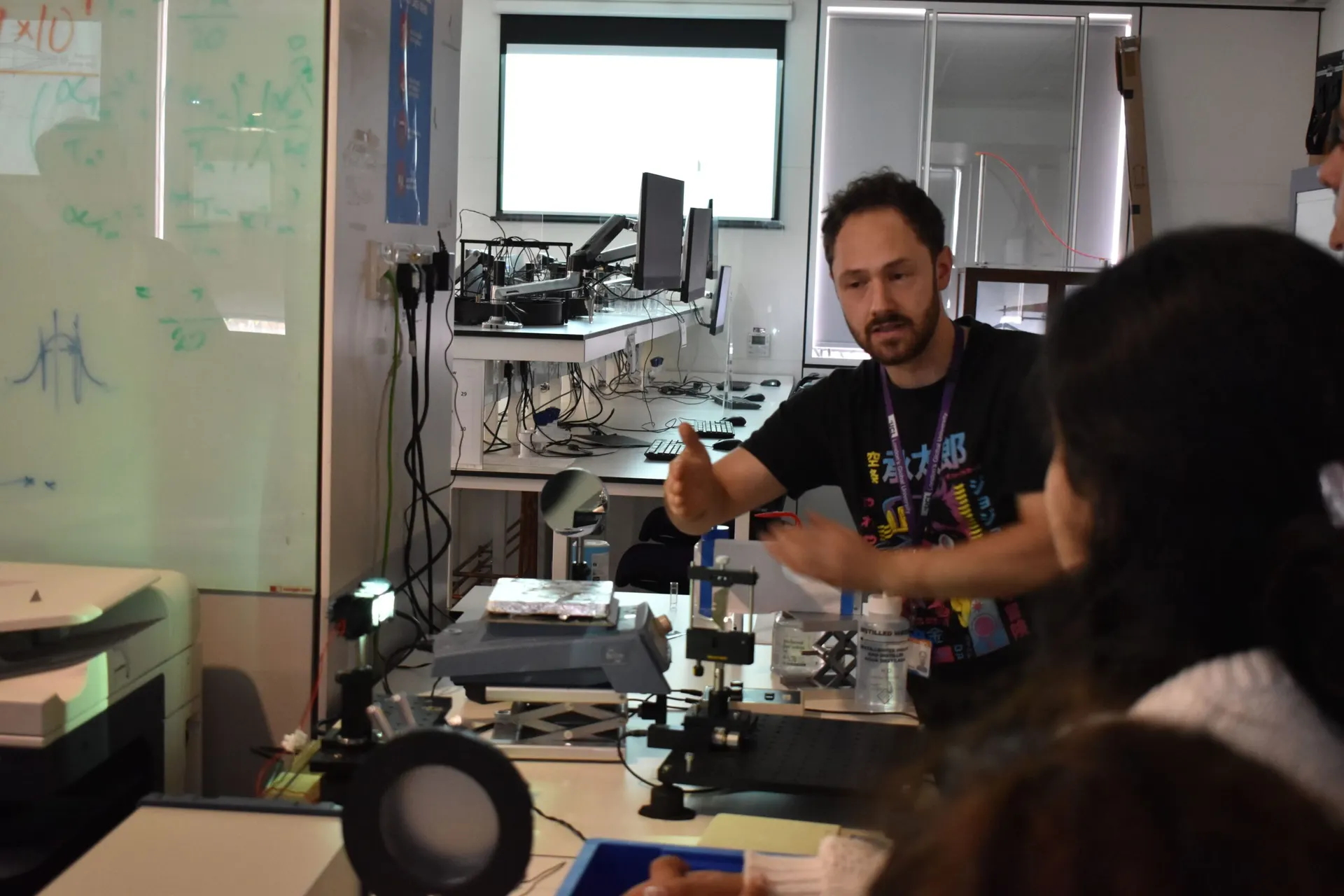
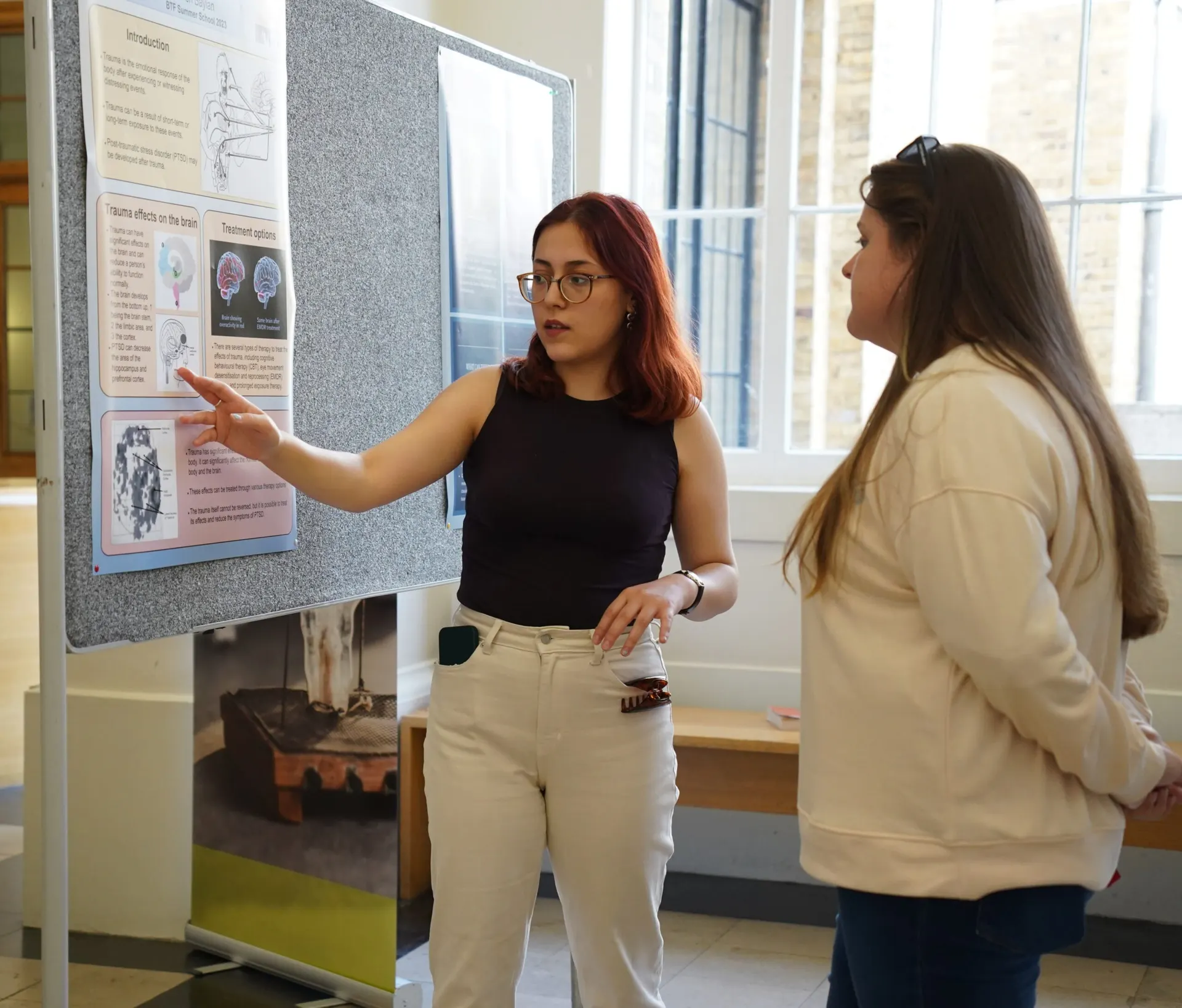
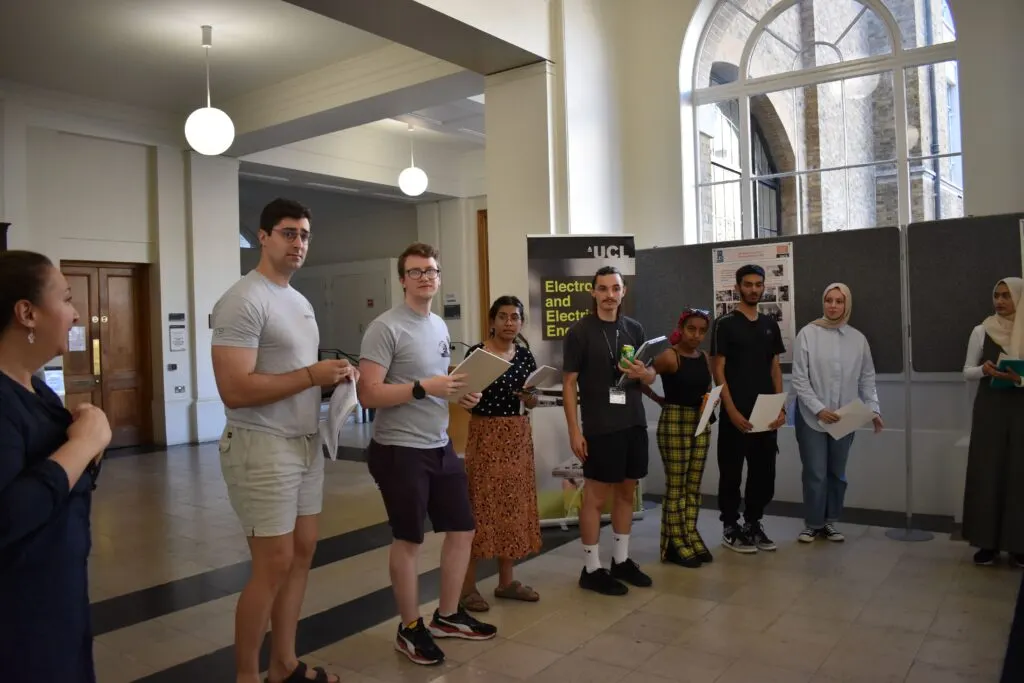
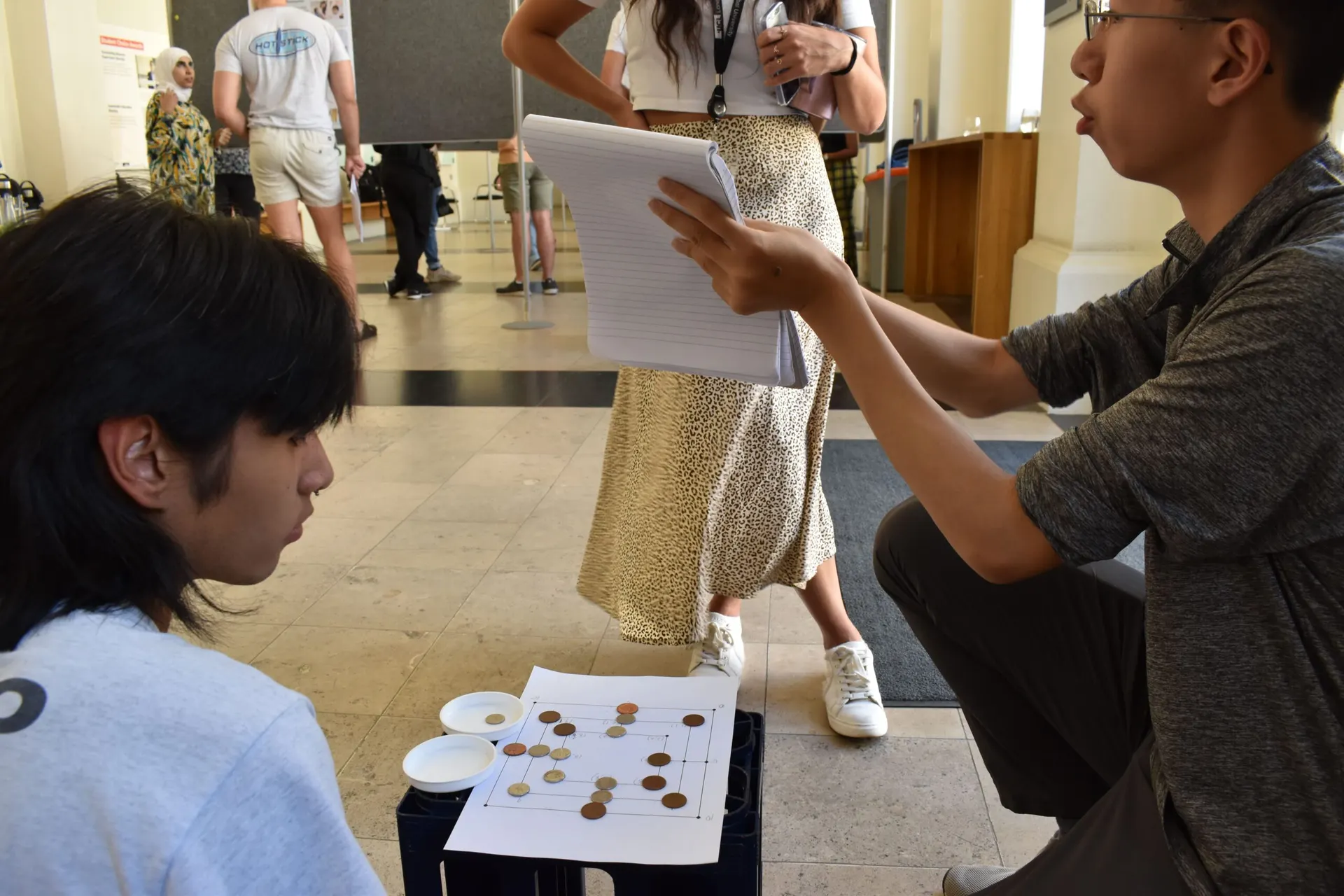
I think the BtF programme has had an overall positive impact on its participants as, in addition to receiving tailored tutorials which is typically a luxury that is blocked by a pay wall, the students were also treated to workshops at a world-leading university. The skills developed throughout these sessions such as delivering a poster presentation and conducting scientific experiments are so relevant and invaluable for their later studies and beyond.
Personal growth as a mentor
This programme has forced me to really think about the best and alternative ways to communicate complicated and new concepts, which is invaluable for me as a PhD student, especially as I personally wanted to improve my communication skills for when I attend conferences and present my own work. It has also really emphasised the importance of understanding something in order to then teach it to someone else.
Challenges faced by refugees
It is such a privilege to mentor someone who is at this pivotal point in their life, and I remember how daunting this stage was for me, let alone for someone who will also be processing other massive life changes as they adapt to a new country, culture etc. Moreover, as soon as refugee students enter the UK education system, they are immediately playing catch-up with their peers, which can be pretty overwhelming. I also recognise that disadvantaged young people (including refugees) will likely be the first in their family to go to university and so seeking advice about higher education, or even having a casual conversation about the higher education experience, is not very accessible to them outside of the school setting.
Advice to future mentors
To anyone considering becoming a mentor with Bridging the Future, I’d say go for it! You can choose the subject or subjects you want to tutor and at the end of the day, you’re making a difference for someone. If you’re uncertain about anything, the BtF team behind the scenes are very friendly and will help you along the way.